


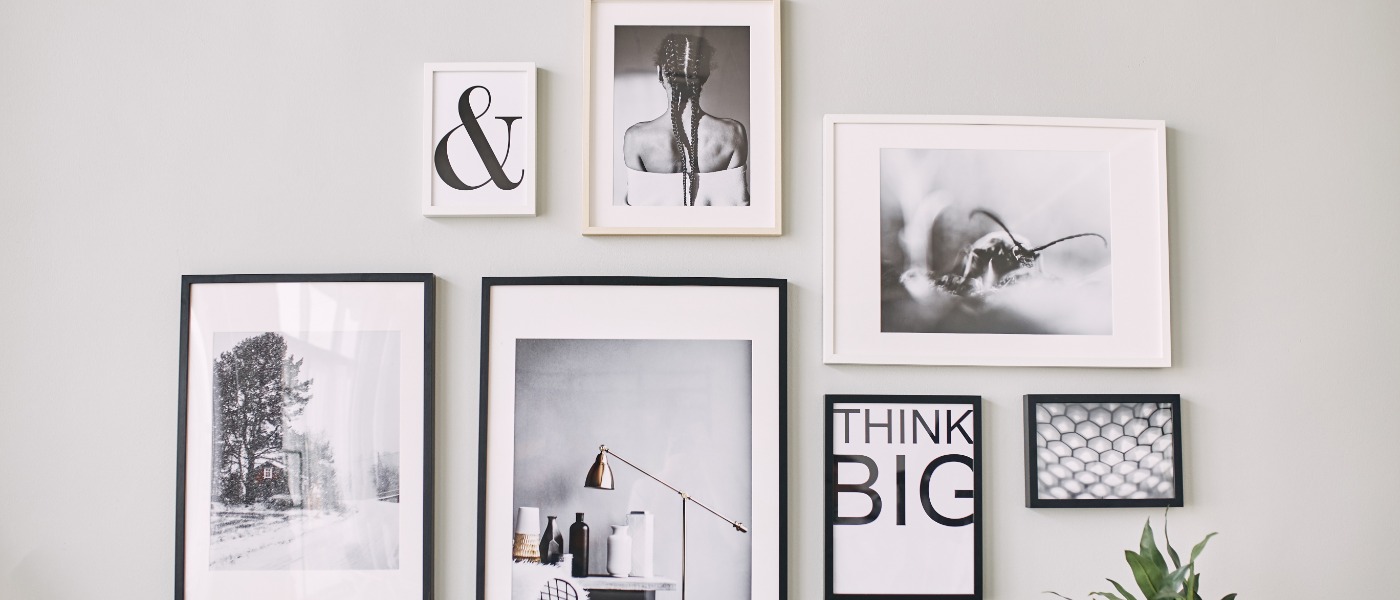
Artwork brings color and character into a home, but its beauty deserves more than an attractive place on the wall.
Dust, sunlight, moisture, and everyday household activities can gradually affect even the most carefully displayed pieces. Take time to explore how to take care of your wall art at home and adopt a few practical habits that protect your favorite pieces without complicating your routine.
Keep Your Artwork Away From Direct Sunlight
Natural light can make a room feel beautiful and inviting, but prolonged sun exposure isn’t particularly kind to artwork. Ultraviolet radiation and visible light can cause certain pigments to fade, especially in watercolors, photographs, and works on paper. Even a painting with rich, durable colors may experience gradual changes after years of direct exposure.
Choose walls that receive indirect sunlight rather than those directly opposite large windows. If your favorite display area gets considerable afternoon sun, consider curtains, shades, or UV-filtered window treatments. These adjustments allow you to enjoy a bright interior without exposing your collection to unnecessary light damage.
Dust Your Wall Art With Care
It’s easy to find out how to decorate your home with minimal effort, but it’s important to keep an eye out for your art after you hang it on the wall. Dust gradually settles on frames, glass, and exposed artwork, particularly in rooms with considerable foot traffic. Although a little dust may seem harmless, improper removal can scratch delicate surfaces or disturb fragile paint. Your approach should depend on the artwork’s materials and condition rather than your usual household routine.
For framed artwork behind glass, use a clean microfiber cloth on the exterior glass, provided it’s stable and undamaged. Apply any manufacturer-approved glass cleaner to the cloth, never directly onto the frame, and keep moisture away from its edges. Original paintings, textured canvases, and fragile surfaces deserve professional advice before you attempt to remove dust.
Maintain Comfortable Indoor Humidity Levels
Excess moisture can affect artwork in ways that aren’t immediately visible. Wooden frames may warp, paper can develop waves or wrinkles, and canvas supports may react to changes in their environment. Very dry conditions can also create problems, particularly for older paintings and wooden panels.
Aim for a relatively stable indoor environment instead of frequent fluctuations between dry and humid conditions. A hygrometer can help you monitor humidity in rooms where valuable artwork is displayed. If your home experiences seasonal extremes, a humidifier or dehumidifier may help maintain more consistent conditions, provided it’s used appropriately.
Choose Appropriate Art Lighting
The right illumination allows you to appreciate the colors, textures, and details of your collection without excessive light exposure. Poorly positioned fixtures may create glare, uneven illumination, or unnecessary heat near delicate surfaces. Thoughtful art lighting provides a more controlled approach to the way your favorite pieces appear throughout the day.
LED picture lights are worth consideration because suitable models produce relatively little heat and minimal ultraviolet radiation compared with many traditional light sources. Look for adjustable brightness and accurate color reproduction, particularly for paintings with subtle tonal variations. Remember that even LED light contributes to cumulative exposure, so sensitive artwork benefits from moderate brightness and limited illumination hours. Keep an eye out for the signs your picture light needs to be replaced if you want to maintain consistent illumination around your art.
Check Your Frames and Mounts Regularly
Frames do more than complement the artwork’s appearance. They also provide physical support and, with suitable materials, can help protect vulnerable pieces from environmental exposure. Unfortunately, loose corners, damaged backing materials, and deteriorated hardware may compromise that protection over time.
Examine your frames periodically for gaps, cracks, or signs of movement. Check that wall hooks, picture wire, and other supports remain secure, especially after furniture rearrangements or household renovations. If a frame appears unstable or unusually heavy for its hardware, consult a professional framer before attempting adjustments.
Avoid Touching the Artwork Directly
It’s tempting to straighten a crooked canvas with a quick touch, especially when the artwork hangs in a frequently used room. Unfortunately, natural oils, perspiration, and residue from your hands can transfer onto delicate surfaces. Over time, these contaminants may attract dirt or affect vulnerable materials.
Handle framed pieces by their sturdy outer edges whenever possible, and avoid contact with the painted or printed surface. Clean, dry hands are suitable for some routine frame adjustments, but valuable or unframed artwork may require specialized handling procedures.
Protect Artwork During Household Cleaning
Regular household chores can expose wall art to accidental damage, particularly near furniture, shelves, and busy walkways. Vacuum attachments, spray cleaners, and long-handled dusters can strike frames or leave unwanted residue. Even a small amount of moisture from nearby surface care may reach vulnerable materials.
Before you clean around a valuable piece, move nearby furniture carefully and keep spray bottles pointed away from the wall. Apply household cleaners directly to your cloth rather than spray them near artwork. For major projects such as repainting walls or refinishing floors, temporarily relocate valuable pieces to a clean, secure environment.
Store Unused Artwork Properly
Not every piece in your collection needs a permanent place on display. Seasonal decor changes, renovations, or new acquisitions may leave certain artworks in storage for several months. Proper storage helps prevent physical damage and environmental deterioration until you’re ready to display them again.
Choose a clean, climate-controlled space away from exterior walls, damp basements, and hot attics. Use appropriate archival materials to protect delicate surfaces, and avoid direct contact between bubble wrap and painted artwork. Store framed pieces upright with adequate support and separation, following professional guidance for unusually large or fragile works.
Conclusion
Following the right steps to take care of your wall art at home can help preserve the character and condition of pieces you treasure. From careful placement and appropriate humidity to gentle maintenance and suitable illumination, each precaution contributes to a more considerate display environment. These habits also allow you to enjoy your collection with greater confidence as your interior evolves. Start by reviewing the artwork already on your walls and identifying any areas that deserve extra attention.