


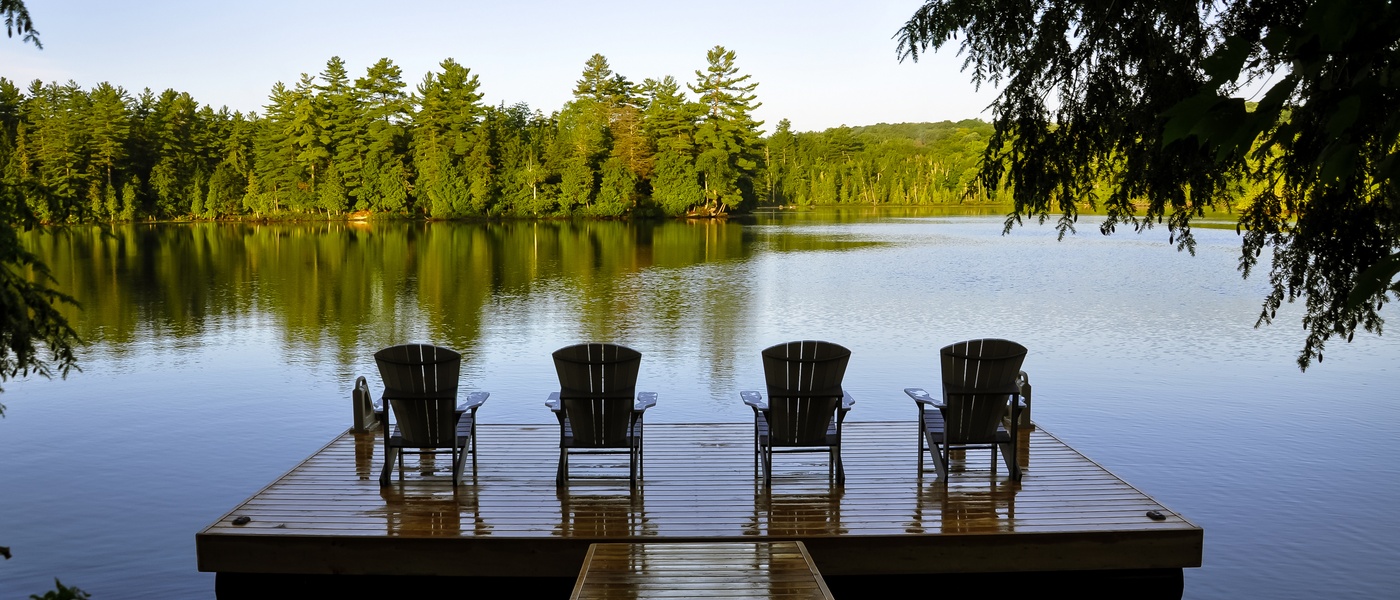
A smart dock can upgrade your waterfront setup, boost your home’s utility, and make every lake day way easier.
Are you thinking about adding a dock to your home? It’s not just a parking space for your boat. A well-designed dock can level up everything from weekend hangs to early-morning fishing runs, while also making your shoreline safer and easier to use.
But before you start picturing sunset drinks by the water, take a beat. Wherever you’re building, lake levels shift, shorelines vary, and local rules can get real specific. Keep reading to understand the important things to consider when planning a new dock for your home.
The Benefits of Building a Dock for Your Lake House
For a lot of homeowners, a dock is part convenience and part lifestyle move. It gives you a cleaner, safer launch point for swimming, kayaking, or heading out on a boat without scrambling down a muddy bank. It can also make your place feel more finished and inviting for guests. If you’ve always wanted a spot where you and the boys could go fishing together, a dock for your home is as good as it gets.
Start With How You’ll Actually Use It
Before choosing materials or layout, get clear on the dock’s main job. A setup for swimming and lounging looks different from one built for fishing or tying up a pontoon. Think about day-to-day use, not just holiday weekends. If friends are carrying coolers, kids are jumping in, or older family members need stable footing, those details should shape the design from the start.
Read Your Shoreline Before You Build
Your shoreline tells you a lot about what will work. A soft, silty bottom may need a different approach than a rocky edge, and a steep drop-off changes how long or stable the walkway should be. Pay attention to water movement too. Wind, boat wake, storms, and changing water levels all affect how much stress your dock will take over time.
Fixed Docks vs. Floating Docks
Another thing to consider when planning a new dock for your home is what type of dock fits your home and shoreline best. A fixed dock works well when water levels stay relatively steady, and the lakebed can support posts or pilings. It feels solid underfoot and can be a great fit for heavier builds. Residential floating docks make more sense when water levels rise and fall through the year, as they move with the water.
Know the Rules Before You Lock in the Design
This part is not exciting, but it matters. Local authorities, HOAs, and lake management groups may have rules on dock size, lighting, setbacks, electrical work, and shoreline disturbance. Check those details early. It is way better to shape the design around the rules now than redo plans later because something does not pass.
Conclusion
The best dock is not the biggest or flashiest one. It is the one that fits your shoreline, your water conditions, and the way you actually live. Get the purpose right, choose the right structure, and plan for durability from day one, and your new dock will become your favorite feature of your home!