


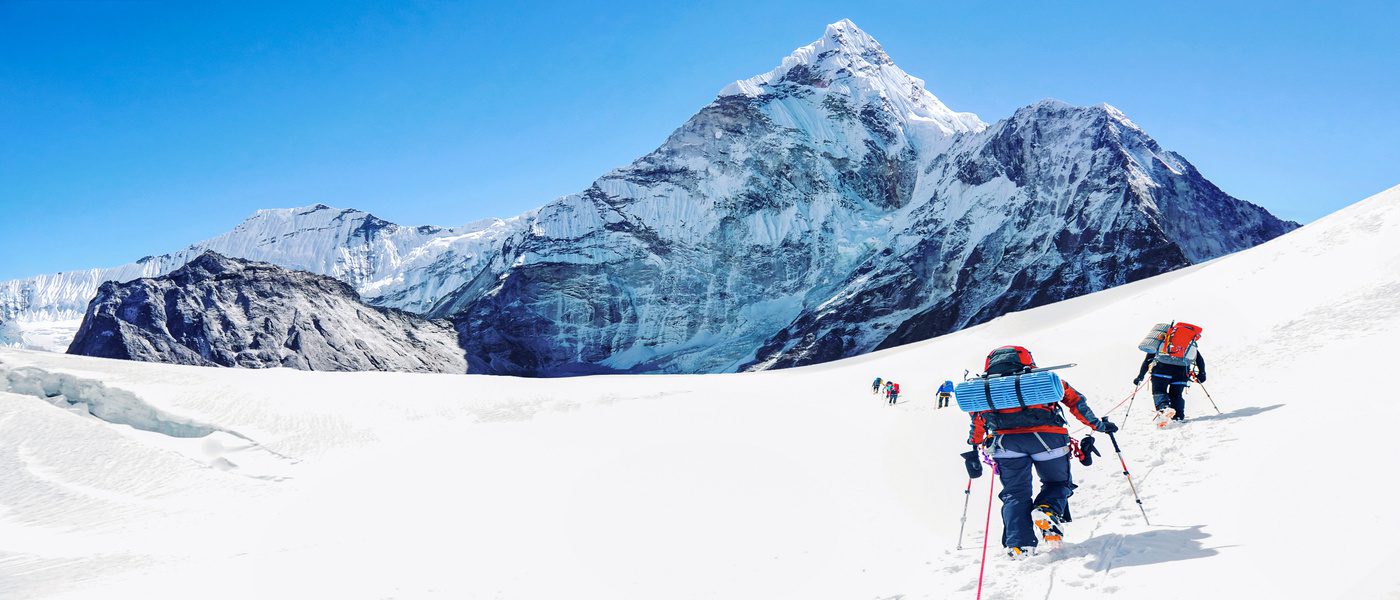
So you want to climb the world’s tallest peak?
Mount Everest stands at 29,032 feet, and it’s not messing around. Every year, hundreds of climbers attempt the summit, but only about 60 percent make it to the top.
Getting to Everest’s summit isn’t just about showing up with some gear and good intentions. This mountain will test every aspect of your physical and mental strength. But here’s the thing—with proper planning and training, regular people do this climb every year.
Build Your Foundation First
Before you even think about booking a trip to Nepal, you need to get your fitness game sorted. Everest demands cardiovascular endurance that goes way beyond your weekend gym sessions.
Start with long hikes carrying a weighted pack. Your legs need to handle steep terrain for hours without giving out.
Strength training matters too, so focus on your core, legs, and shoulders. You’ll be carrying heavy packs and using trekking poles constantly. Your body becomes your most important piece of equipment up there, so train it well.
Master the Right Skills
Technical climbing skills separate successful summiteers from those who turn back. You need to know how to use crampons, ice axes, and fixed ropes. Practice self-arrest techniques on snow slopes until they become automatic responses.
Rope work and glacier travel skills aren’t optional, either. The Khumbu Icefall and other sections require confidence with these techniques. Take a mountaineering course or hire a guide to teach you properly.
Choose Your Gear Wisely
Quality equipment can mean the difference between success and failure. Your gear list will be extensive, but some items matter more than others. Down suits, sleeping bags rated for the extreme cold, and reliable oxygen systems top the priority list.
Boots deserve special attention. There are several key factors to know when buying mountaineering boots that will serve you well on Everest, including proper fit, insulation ratings, and compatibility with crampons. Don’t cheap out here—your feet will thank you at 20,000 feet.
Pick Your Route and Team
Most climbers choose between the South Col route from Nepal or the North Col route from Tibet. The South Col sees more traffic but offers better infrastructure. The North route can be less crowded but presents different challenges.
Selecting a guiding team requires even more research—look for outfitters with strong safety records and experienced guides. This isn’t the time for budget shopping. A good team can turn this challenge into an epic bro trip experience while keeping you safe.
Train Like Your Life Depends on It
Your training should simulate Everest’s demands as closely as possible. Carry heavy packs up steep terrain regularly, and practice breathing techniques that help at altitude. Cold exposure training helps your body adapt to extreme temperatures.
Mental preparation matters just as much, as the mountain will push you to your limits mentally. Visualization exercises and meditation can help you stay focused when things get tough.
Conclusion
Mount Everest isn’t impossible, but it demands everything you’ve got. Start your preparation at least two years before your planned attempt. Build your skills gradually and respect the mountain’s power. With proper preparation and the right mindset, you can join the ranks of those who’ve stood on top of the world.