


Nobody plans for chaos, but you can prepare for it
Picture this: You’re at a backyard BBQ, cracking jokes with the guys, when someone suddenly collapses. Everyone freezes, phones come out, and panic sets in. But not you—you’re the one who steps up, stays calm, and takes charge.
Medical emergencies don’t send a text before they arrive, and when they do, hesitation costs lives. The difference between a tragedy and a save comes down to knowing what to do in those critical first minutes. This guide breaks down the essentials so you can be the hero in a medical emergency.
Know the Basics Before You Need Them
You should know what to do for the most common crises.
Heart Attack/Not Breathing
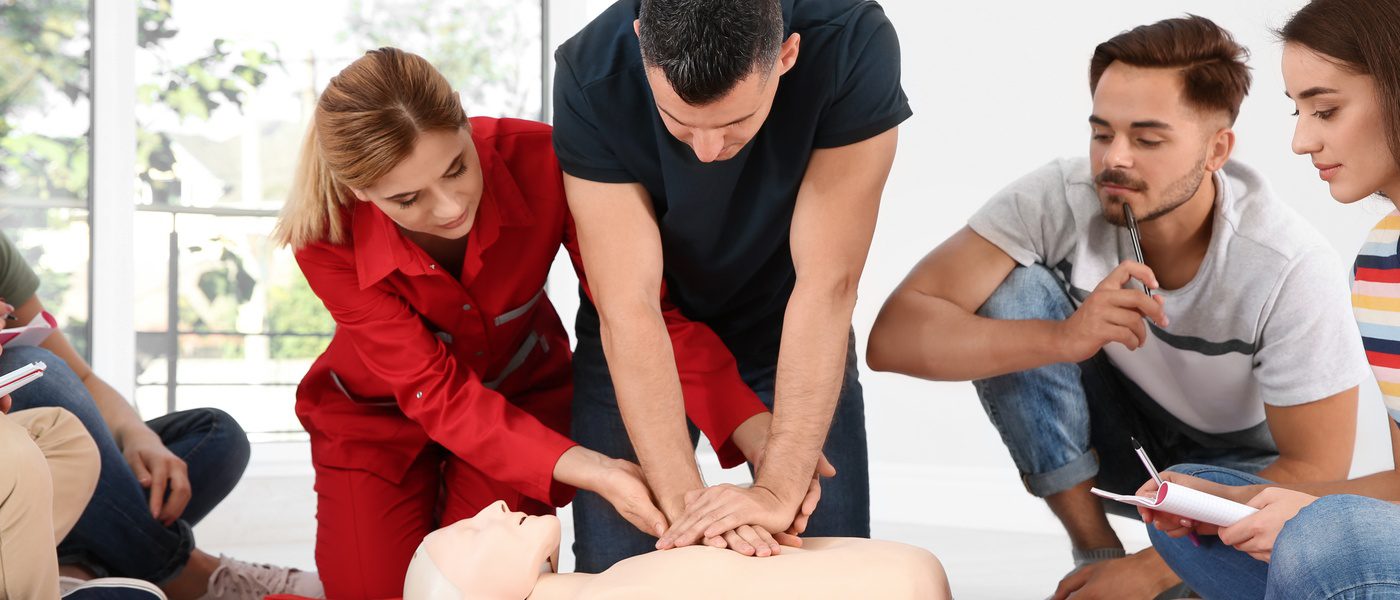
Bystander CPR can double or triple someone’s chance of survival after cardiac arrest. That’s why every guy should know how to perform chest compressions and rescue breaths. Take a certified CPR class—they’re quick, affordable, and widely available through organizations like the Red Cross.
Unconsciousness
Beyond CPR, familiarize yourself with the recovery position for unconscious but breathing victims. Roll them onto their side to keep airways clear.
Choking
If someone can’t cough, speak, or breathe, perform the Heimlich maneuver. Stand behind them, make a fist above their navel, and thrust inward and upward until the object dislodges.
Burns
Burns require cool running water—not ice—for at least 10 minutes. Cover the area with a clean, dry cloth and get medical help for anything beyond minor first-degree burns.
Breaks/Fractures
For fractures, immobilize the injury and avoid moving the person unless they’re in immediate danger. Let the pros handle realignment and transport.
What To Do if There’s Blood Involved
If the emergency involves heavy bleeding, that comes with its own preparatory knowledge. Mainly, you should know to apply direct pressure to the wound using a clean cloth or your hands if nothing else is available. Don’t remove the cloth if it soaks through—just add more layers on top and keep pressing.
For severe arterial bleeding that won’t stop, apply a tourniquet above the wound on the limb. Tighten it until bleeding stops, then note the time you applied it.
Be aware that managing traumatic injuries may involve dealing with bodily fluids and contaminated materials, including the possible need for biohazard cleanup services afterward. Focus on the victim first—cleanup comes later.
Train for the Unexpected
Taking a wilderness first aid course is worth it if you’re into hiking, camping, or other adrenaline-pumping adventures. These courses teach you how to handle emergencies when help is hours away. You’ll learn improvisation techniques, how to treat hypothermia and heatstroke, and how to stabilize injuries in remote locations.
Consider taking an advanced first aid or EMT course if you want to go deeper. The more you know, the more confident you’ll be when things go wrong.
Stay Calm—Always
Adrenaline kicks in fast during emergencies. Your heart races, your hands shake, and your brain screams at you to do something—anything. The key is slowing down just enough to think clearly. Take a deep breath, assess the scene for dangers, and prioritize what needs to happen first.
Call 911 immediately if the situation is serious. Dispatch can walk you through steps to take while paramedics are en route. Moreover, they’ll document your actions, which protects you legally if questions arise later.
Conclusion
Medical emergencies don’t wait for convenient moments. They happen at cookouts, on job sites, during road trips, and in your own living room. The guy who steps up and takes action isn’t born ready—he prepares ahead of time. Learn the skills, stock your kit, and stay sharp. When a medical emergency hits, you’ll be the hero.