


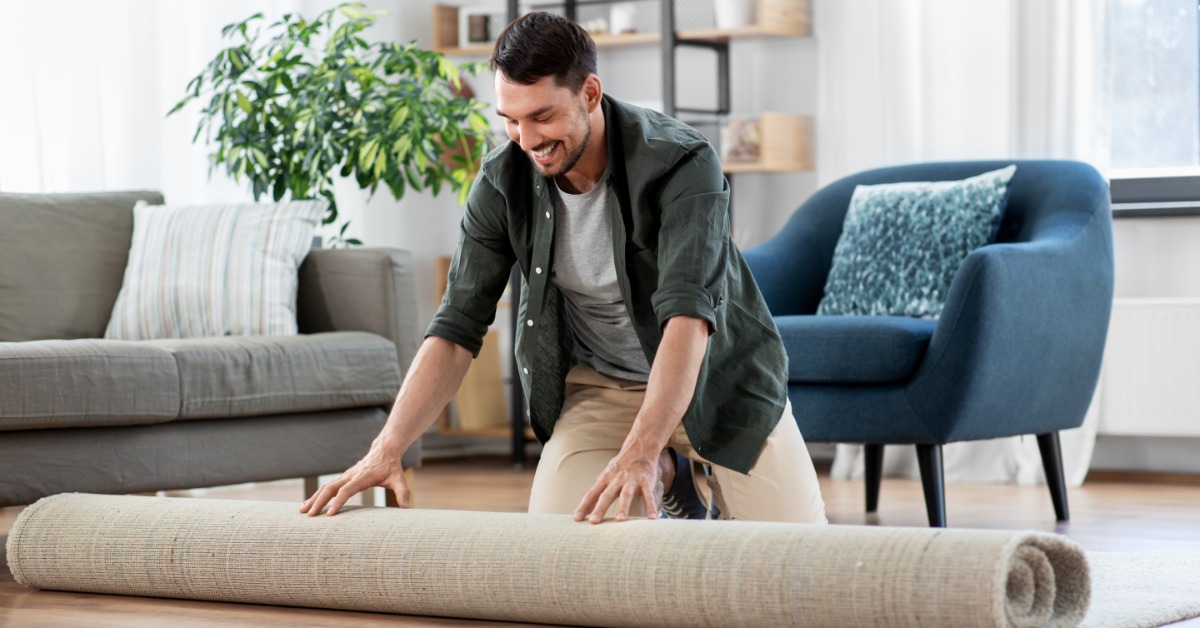
Your small space can still have big-city style, dude—you just need to make every inch count.
Decorating a small apartment can feel like a design puzzle, especially when one wrong purchase suddenly makes your living room look like a furniture storage unit. The good news is that you don’t need a massive loft or an unlimited budget to create a place that looks stylish, comfortable, and unmistakably yours.
Small-space decorating works best when you stop thinking about how much stuff you can fit and start thinking about what deserves the space. A few smart choices can make even a compact city apartment feel polished and relaxed. To decorate a small space without overwhelming the room, you just need to give everything a reason to be there.
Start With the Space You Actually Have
We all love those apartment photos with twelve-foot ceilings and windows overlooking Manhattan, but dude, your actual space might not have those crazy views. Instead of creating the perfect design for your dream home, work with that reality instead of fighting it.
Take a look at how you move through the room before buying anything. Notice where you naturally walk, where you drop your keys, and which areas you use every day. Your layout should support those habits rather than create an obstacle course.
Measurements matter more in a small apartment because a few extra inches can completely change the room. That five-minute effort can save you from owning a coffee table that dominates your entire living room.
Give Your Furniture Some Breathing Room
Small rooms often tempt people to push furniture into every available corner. That strategy can actually make the space feel tighter because your eye sees one continuous wall of stuff. A little open space creates visual relief.
You don’t need huge gaps between every piece. Even several inches around a chair, side table, or media console can make the arrangement feel more deliberate. Think of empty space as part of the design, not wasted square footage.
Furniture scale also makes a huge difference. A massive sectional might look incredible online, but it can swallow a studio apartment whole. Choose pieces that match your room without making everything miniature just because your address has limited square footage.
Choose Furniture That Earns Its Keep
Think of your home like a football team; each piece has a specific role and purpose on the field. Or, in this case, in your living room. That doesn’t mean everything needs hidden compartments and twelve different functions. It simply means avoiding filling your apartment with pieces you barely use.
A storage bed makes sense if your closet barely fits your jackets. An ottoman with interior storage can hide blankets without adding another cabinet.
Before buying a new piece, ask yourself a few practical questions:
- Will I actually use this regularly?
- Does its size fit the room comfortably?
- Can it replace something I already own?
- Does it add useful storage without creating clutter?
- Would I still want it if social media stopped showing it to me?
That last question matters, dude. Your apartment should feel like your home, not an algorithm with rent due on the first.
Keep Your Color Choices Connected
You don’t need to paint everything white to make a small room feel larger. Dark green, navy, warm brown, and other deeper shades can look incredible in compact spaces. The trick is to create a visual connection between your choices.
Repeating a few colors throughout the room keeps your eye from bouncing around too much. Maybe the warm tone in your rug appears again in a throw pillow or piece of artwork. Those subtle connections create consistency without making everything perfectly matched.
Try not to introduce a completely different color story every few feet. Small spaces already place everything close together, so unrelated colors can quickly create visual noise.
Use Your Walls Without Filling Every Inch
Your walls give you valuable decorating territory without stealing floor space. Art, mirrors, shelving, and lighting can add character while leaving your walking paths clear. Still, you don’t need to cover every blank section.
One larger piece of artwork can sometimes look cleaner than six smaller pieces competing for attention. A thoughtfully arranged gallery wall can also work, but give each piece enough room to breathe. You want personality, not visual static.
Let Small Décor Do Some Heavy Lifting
You don’t need giant statement pieces to give your apartment personality. A distinctive lamp, interesting bookend, framed print, or small sculpture can change the entire vibe without eating up valuable space. Tiny details often attract more attention because people encounter them up close.
Tiny décor can also influence your mindset when you spend a lot of time at home. Objects connected to a goal or interest can make your apartment feel more personal and comfortable instead of looking like a generic rental.
Put a few objects on display and give them enough space to stand out. If every surface contains ten different decorations, none of them gets the chance to look important.
Pay Attention to Lighting
Bad lighting can make even an expensive apartment feel like the waiting room at a dentist’s office. Instead of relying entirely on one harsh overhead fixture, spread light around the room. Lamps can create depth while helping different areas feel distinct.
Place lighting where you actually need it. A floor lamp beside your reading chair makes sense, while a small lamp near your desk can soften the workspace after dark. Thoughtful placement adds atmosphere without decorative clutter for clutter’s sake.
Build a Style That Actually Feels Like You
A unique style doesn’t have to be trendy. You can appreciate what looks current without rebuilding your apartment every time the internet decides another aesthetic has entered its main-character era. That gets expensive fast, bro.
Focus on creating a personal style without chasing trends by paying attention to what you consistently like. Maybe you gravitate toward vintage sports photography, industrial materials, modern furniture, music memorabilia, or clean architectural shapes. Those preferences give you a stronger starting point than whatever happens to dominate your feed this month.
Buy slowly enough to figure out what works together. Your apartment will feel more authentic when it develops over time instead of arriving in twelve matching boxes.
Don’t Buy Everything at Once
Moving into a new apartment creates a strong urge to finish decorating immediately. Suddenly you’re online at midnight considering a $300 side table because your living room has looked “unfinished” for four days. Dude, close the tab.
Living in the space for a while teaches you what you actually need. You might realize you need better storage more than another chair, or that the empty corner works perfectly well empty. Waiting can prevent expensive purchases that solve problems you never really had.
A slower approach also makes decorating more fun. Your apartment gains a story instead of looking like you ordered the entire room from one product page.
Conclusion
A small apartment doesn’t require small ideas. The best rooms use their limited space intentionally, giving furniture and décor enough breathing room while still showing some personality.
No matter how small the space, you can decorate it without overwhelming the room by stuffing every corner with something new. When each piece feels useful or personal, even a small space can feel completely your own.