


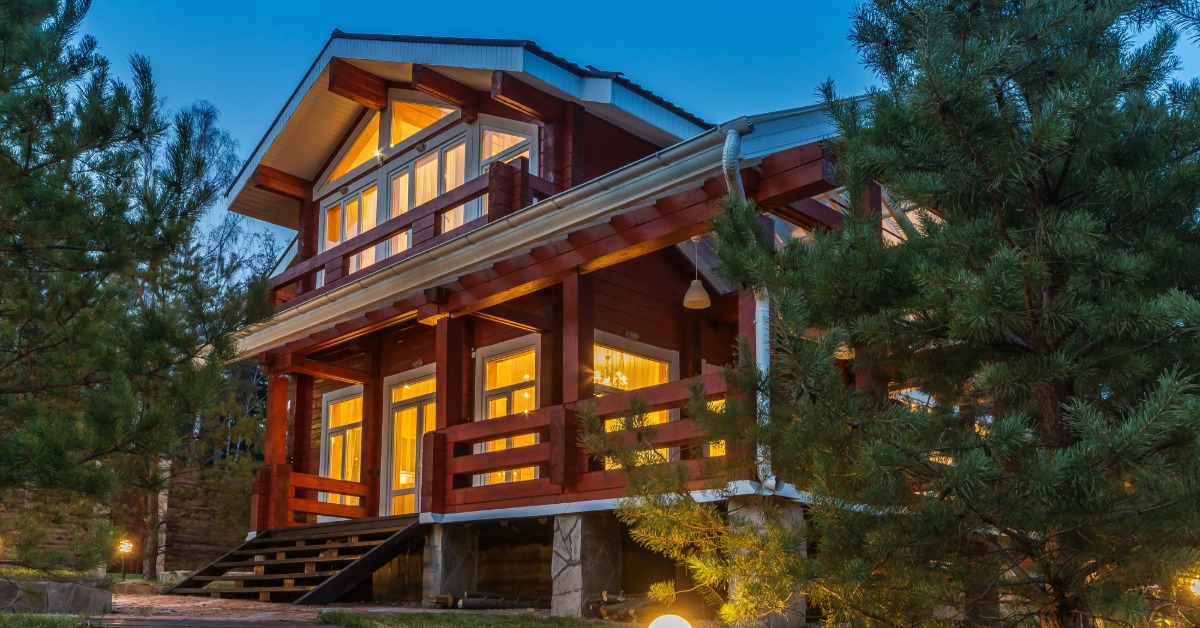
A Few Smart Checks Can Protect the Cabin Weekend You Actually Want.
Before you book a cabin during wildfire season, look beyond the mountain view and five-star reviews. A rental can remain available while smoke or fire restrictions change the weekend you thought you were buying.
The goal is not to turn a weekend away into an emergency drill. You just need to know that you can reach the cabin and enjoy what you paid for. If plans change, you should also have a way to save the trip.
Start With the Area, Not the Listing
Rental photos can make any mountainside look untouched, but they don’t show what is happening there today. Check recent updates for the county and surrounding public lands before sending a deposit. Then look at the air quality for the specific town rather than the nearest major city.
Do the same check again a few days before departure because conditions can shift after you book. You are not trying to predict the entire season. You only need a clear read on the weekend ahead.
Pay attention to how much of the trip depends on being outside. A weekend built around restaurants and a comfortable rental may still work when trails close, but a hiking-focused getaway probably will not. Ask a simpler question: Will the plans your group cares about still work?
Ask What Happens if Conditions Change
A flexible host can save a trip, but a vague cancellation policy can turn bad timing into an expensive argument. Read the policy before booking, and ask how it applies when the property remains open but regional conditions interfere with the stay.
Send the host a few practical questions through the booking platform:
- If an evacuation order or road closure prevents us from reaching the cabin, could we reschedule or receive a refund?
- If wildfire smoke becomes severe before our stay, what options would we have?
- Are any of the advertised outdoor amenities unavailable during local fire restrictions?
- Will you message us through the platform if conditions or access change before check-in?
Do not assume that smoke automatically earns you a refund. The same goes for trail closures or a burn ban. The reservation policy determines what happens next, so get a clear answer before paying.
Keep the response in the platform message thread whenever possible. If the host answers by phone, send a short follow-up message confirming what you discussed. Nobody wants to debate a half-remembered conversation while the group is already annoyed.
Confirm You Can Get Back Out
Remote is part of the appeal until one narrow road becomes the only way back to town. Look at the route before booking and see whether the area has another maintained way out. A faint line on a map may be a private road or an unmaintained track rather than a useful alternative route to and from the cabin.
Ask the host whether seasonal closures can block either route and where cell service usually drops. Save the cabin address and directions before leaving areas with reliable service. Share the details with everyone arriving separately instead of keeping everything on one person’s phone.
Even if the cabin looks remote in the best possible way, a practical evacuation plan should account for road closures and unreliable cell service. It should also identify a backup route to the highway. This takes a few minutes at home and avoids figuring everything out under pressure.
Find Out What “Open” Really Means
A host may truthfully say the property is open while the fire pit or grill is unavailable. Nearby trails can also close even though guests may still check in. Ask about the exact features that convinced your group to choose that rental.
If the outdoor spaces are a major part of the price, decide whether the cabin remains worth it without them. The answer may still be yes. A great kitchen or game room can carry the weekend. A nearby town gives you another option.
This is also where being a good guest matters. Follow every posted restriction, even if the previous review shows someone using the fire pit. Old photos do not override current rules, and an expensive weekend is not a license to improvise with fire.
Build a Backup Weekend That Still Feels Worth It
A backup plan should feel like a second version of the trip, not a punishment. Pick one or two indoor options in a nearby town. Save them before arrival so the group is not searching from a cabin with weak service.
Once the location checks out, build the weekend around one shared activity and keep another option ready in case smoke or closures change the plan. Maybe that activity is dinner or a tasting. Everything else can stay flexible.
The backup should also match the group. Your friends may happily spend a day cooking and watching a game, while a couple’s getaway may work better with a dinner reservation in town. Pick something the group would actually want to do, not something that just kills time.
Set the Group’s No-Debate Line
Before anyone sends money, agree on what would make the trip a no-go. The line could involve an official evacuation notice or the loss of the only access road. It might also be a major change that removes the main reason for going.
Put the decision in the group chat so nobody has to invent the standard later. Choose one person to monitor official local alerts as the weekend approaches. That person can update everyone when something meaningful changes instead of letting the group react to random social posts.
If local officials tell people to leave, the weekend is over. No group vote is needed. Booking a cabin during wildfire season works better when everyone agrees on the limits before the trip.
A clear decision made at home is easier than a debate between friends who have already paid and driven for hours.
Conclusion
A cabin escape should help you unplug, not leave the group guessing about roads, rules, and refunds. Check the area and question the host before you commit. Decide in advance what would change your plans. With those details handled, you can stop staring at alerts and get back to the important decisions—who controls the playlist and who is making breakfast.